TREE & BUSH PLANTING & FLOWER BEDS in Tacoma, Washington State
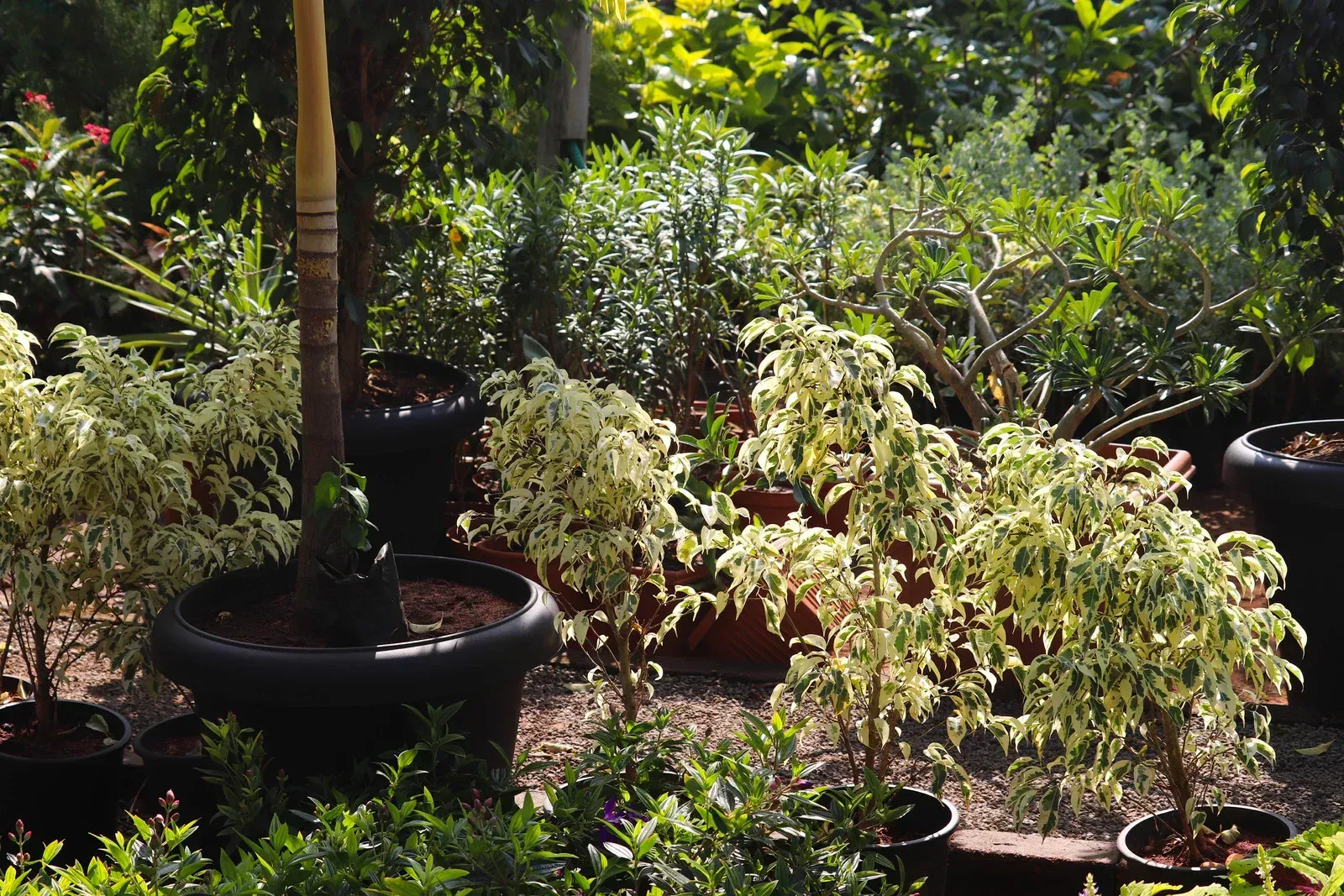
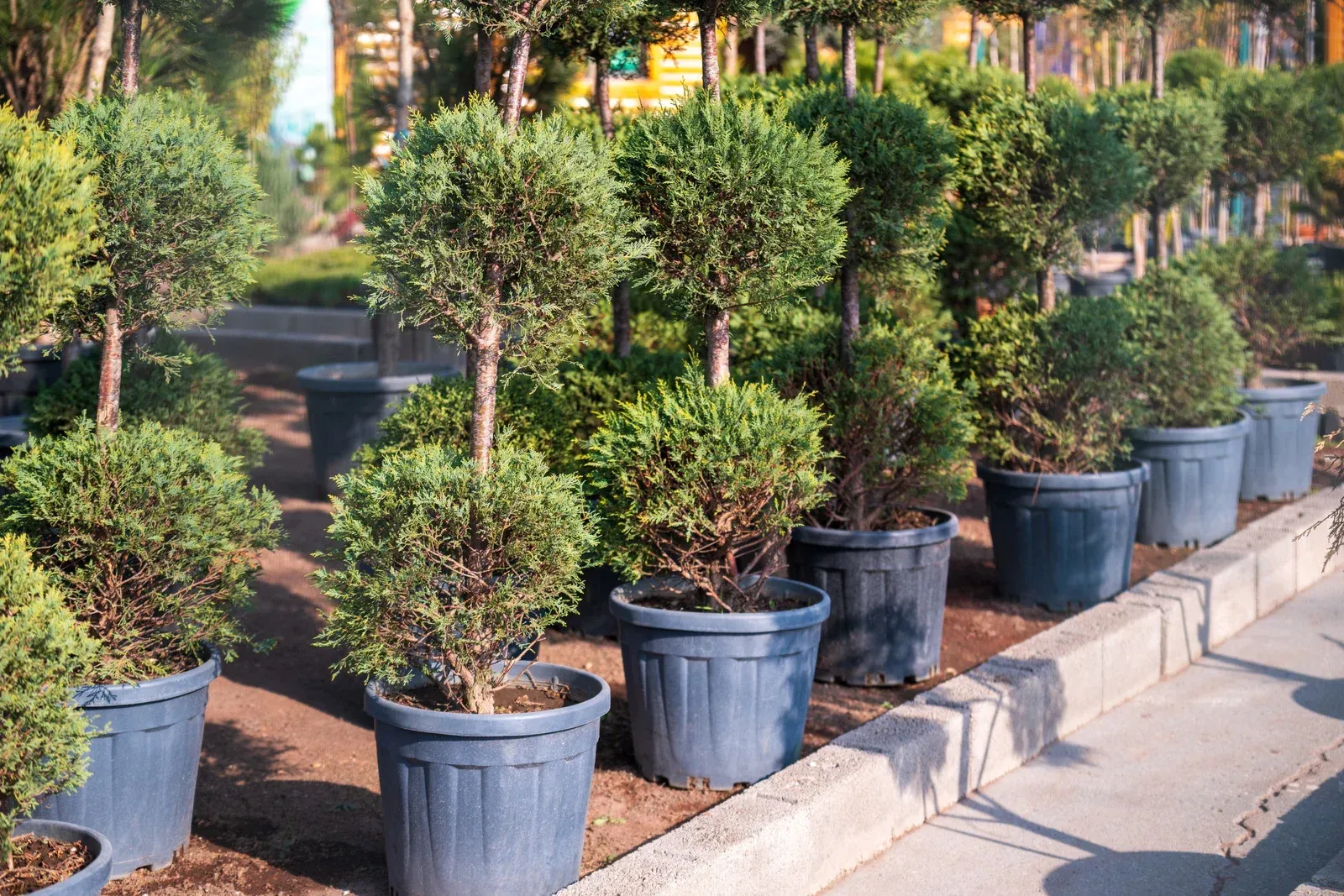
Tree Bush Planting And Flower Beds Enhancing Landscape Beauty
Outdoor landscapes can become far more than decorative spaces when thoughtful planting strategies are used to support long-term growth, biodiversity, and natural productivity. Tree and bush planting combined with flower bed installation creates landscapes that feel alive, balanced, and purposeful. At PNW Permaculture, food forest design focuses on arranging trees, shrubs, flowering plants, and ground cover in ways that mimic natural ecosystems. Instead of isolated plantings, the landscape becomes a layered environment where each plant contributes to soil health, pollination, and long-term garden productivity. By combining careful planting with thoughtful layout, landscapes can evolve into thriving outdoor environments that support both beauty and functionality.
We serve Tacoma, Washington State, as well as the surrounding areas including University Place, Lakewood, Gig Harbor, and Federal Way. Landscapes throughout Pierce County experience the Pacific Northwest’s unique combination of mild coastal temperatures, seasonal rainfall, and fertile soils. Food forest planting in Tacoma neighborhoods helps homeowners create outdoor environments that complement the natural character of the region while supporting diverse plant growth and long-term sustainability.
With more than 5 years of experience working with outdoor landscapes and permaculture concepts, our approach emphasizes plant selection, soil preparation, and thoughtful placement that encourages long-term ecological balance. Trees, bushes, and flower beds are installed with attention to sunlight patterns, soil health, and spacing requirements. By building landscapes that work with nature rather than against it, planting projects become living systems that improve biodiversity, strengthen soil conditions, and create vibrant outdoor spaces that continue evolving year after year.
Our Food Forest Design and Planting Services
Tree Planting and Placement
Tree planting focuses on selecting suitable species and placing them where sunlight, soil conditions, and space allow long-term growth. Proper placement ensures trees develop strong root systems while contributing shade, structure, and ecological benefits to the surrounding landscape.
Shrub and Bush Installation
Shrubs and bushes add mid-level structure within food forest landscapes while supporting pollinators and fruit production. Careful installation considers spacing, sunlight exposure, and soil preparation to help shrubs establish strong root systems and contribute to a balanced outdoor ecosystem.
Flower Bed Installation
Flower beds introduce color, pollinator support, and seasonal interest into landscape designs. Carefully arranged flower beds complement surrounding trees and shrubs while improving biodiversity within the garden environment. Plant selection focuses on species that thrive within the local climate and soil conditions.
Food Forest Layout Planning
Food forest planning involves designing layered plant systems where trees, shrubs, and ground cover plants grow together in supportive arrangements. Strategic placement ensures plants complement one another while creating efficient ecosystems that encourage healthy growth and long-term sustainability.
Soil Preparation and Improvement
Healthy soil is essential for successful plant growth. Soil preparation may include organic amendments, compost incorporation, and improving drainage conditions before planting begins. Preparing soil properly ensures trees, shrubs, and flowering plants develop strong root systems and thrive within their new environment.
Landscape Integration and Pathways
Food forest landscapes often include pathways or open areas that allow easy access for maintenance and harvesting. Integrating planting areas with walkways and surrounding landscape elements creates functional outdoor environments while maintaining organized and accessible garden spaces.
Benefits of Tree, Bush, and Flower Bed Planting
Improved Biodiversity
Layered planting of trees, shrubs, and flowering plants supports biodiversity by creating habitats for pollinators, birds, and beneficial insects. A diverse landscape strengthens ecological balance and encourages natural pollination cycles while supporting healthier plant growth through increased biological activity within the surrounding soil and plant environment.
Enhanced Soil Health
Plant roots contribute organic matter to the soil as they grow and naturally decompose over time. This process improves soil structure, nutrient availability, and microbial activity. Landscapes with diverse plant systems gradually develop richer soil conditions that support sustainable and long-lasting plant growth.
Natural Shade and Temperature Balance
Strategically planted trees and shrubs help regulate temperature across outdoor spaces by providing natural shade and wind protection. This balance improves comfort within residential landscapes while also protecting soil moisture levels and reducing the stress placed on surrounding plants during warmer weather conditions.
Improved Landscape Structure
Combining trees, bushes, and flower beds creates visual layers that bring depth and structure to outdoor environments. Taller trees, mid-level shrubs, and ground-level flowers work together to form organized landscapes that feel balanced, visually appealing, and thoughtfully designed within residential properties.
Support for Pollinators
Flower beds and fruit-producing shrubs provide essential food sources for pollinators such as bees and butterflies. Encouraging pollinator activity helps strengthen plant reproduction cycles while supporting healthy garden ecosystems. Landscapes that support pollinators often become more productive and biologically balanced over time.
Long-Term Landscape Sustainability
Food forest planting encourages sustainable landscape management by designing plant communities that naturally support one another. Trees, shrubs, and flowers work together to improve soil fertility, maintain moisture levels, and reduce the need for intensive maintenance practices commonly required in traditional landscaping approaches.
Vibrant Planting Designs That Strengthen Outdoor Ecosystems And Property Appeal
Planting trees, bushes, and flower beds through food forest design transforms outdoor spaces into thriving ecosystems where beauty and productivity grow together. Layered planting systems support biodiversity while strengthening soil health and encouraging natural balance throughout the landscape. In Tacoma, Washington State, the Pacific Northwest climate provides ideal conditions for diverse plant communities that flourish when arranged thoughtfully. At PNW Permaculture, tree and bush planting focuses on building landscapes that function as living environments rather than isolated garden beds. Carefully selected plants and well-prepared soil create outdoor spaces that evolve naturally while supporting pollinators, improving soil quality, and enhancing the visual appeal of residential properties. Food forest landscapes bring long-term value to outdoor environments by encouraging sustainable growth and ecological harmony.
Frequently Asked Questions
What is a food forest landscape?
A food forest is a garden system designed to mimic natural ecosystems by combining trees, shrubs, flowering plants, and ground cover in layered planting arrangements. These systems encourage biodiversity, soil health, and productive plant growth while creating landscapes that function as sustainable and balanced outdoor environments.
What types of plants are used in food forest designs?
Food forests often include fruit trees, berry bushes, herbs, flowering plants, and ground cover species that support soil health and pollinators. The combination of these plants forms layers that work together to strengthen ecosystem balance while improving the long-term productivity and resilience of the garden landscape.
Do food forests require large properties?
Food forest systems can be adapted to many property sizes. Even smaller residential landscapes can benefit from layered planting strategies that combine trees, shrubs, and flowers efficiently. Careful design allows food forests to function within compact yards while still supporting biodiversity and productive plant growth.
How long does it take for a food forest garden to develop?
Food forests gradually mature over several years as trees and shrubs establish deeper root systems and stronger growth patterns. While some plants produce quickly, others require more time. As the garden develops, the ecosystem becomes more balanced and productive with each growing season.
Are food forests difficult to maintain?
Food forest landscapes are designed to reduce maintenance over time by encouraging natural plant relationships and soil health. Once plants establish themselves, they often require less watering, fertilizing, and pruning compared to traditional landscaping methods that rely heavily on routine intervention.
Can food forests support pollinators and wildlife?
Yes, food forest landscapes often attract pollinators such as bees, butterflies, and birds. Flowering plants and fruit-producing shrubs provide essential food sources while trees create shelter. These habitats strengthen biodiversity and help maintain healthy plant reproduction cycles within the garden ecosystem.
Who installs food forest gardens in Tacoma, Washington State?
PNW Permaculture designs and installs food forest landscapes in Tacoma, Washington State, helping residential properties develop sustainable planting systems that support biodiversity and productive growth. Careful plant selection and landscape planning help gardens thrive within the Pacific Northwest’s climate and soil conditions.
Why choose professional food forest design services?
Professional food forest planning focuses on plant compatibility, soil health, and long-term ecosystem balance. At PNW Permaculture in Tacoma, Washington State, planting systems are arranged thoughtfully to encourage healthy growth patterns, improve biodiversity, and create sustainable landscapes that continue developing naturally over time.
What our customers have to say...
Testimonials