Drip Irrigation Installation in Tacoma, Washington State
Drip Irrigation Installation Ensuring Efficient Watering For Productive Gardens
Water is one of the most valuable resources in any landscape, yet traditional watering methods often waste significant amounts through runoff, evaporation, and uneven distribution. Drip irrigation installation offers a more precise and sustainable approach by delivering water slowly and directly to plant roots where it is needed most. At PNW Permaculture, we design and install drip irrigation systems that support efficient water use while strengthening the long-term health of permaculture landscapes. Each system is designed using permaculture principles to mimic natural water cycles, improve soil hydration patterns, and support long-term ecosystem balance.
We serve Tacoma, Washington State, as well as surrounding communities across Pierce County and nearby areas, including Lakewood, University Place, Puyallup, and Gig Harbor. Landscapes in this region benefit from irrigation systems designed to work with the Pacific Northwest climate. While rainfall is common during cooler seasons, summer months can bring dry periods that challenge plant health. Drip irrigation helps maintain consistent moisture levels while reducing water waste and protecting soil quality. These systems integrate with permaculture designs, ensuring water use supports soil regeneration, plant health, and sustainable performance.
Carefully planned drip irrigation layouts help maintain plant health while reducing the need for manual watering. By distributing water gradually and evenly, these systems support balanced growth across gardens and landscape beds. Thoughtful irrigation design connects water management with ecological balance. With over 5
years of experience, our approach ensures irrigation supports biodiversity, soil health, and long-term landscape resilience.
Our Drip Irrigation Installation Services
Custom Irrigation System Design
Drip irrigation systems begin with carefully planned layouts that match landscape structure and plant needs. Designs consider soil conditions, placement, and water distribution to ensure efficient coverage. Permaculture zoning and water flow strategies are applied to maximize efficiency, conserve resources, and support balanced, sustainable landscape performance over time.
Drip Line Installation
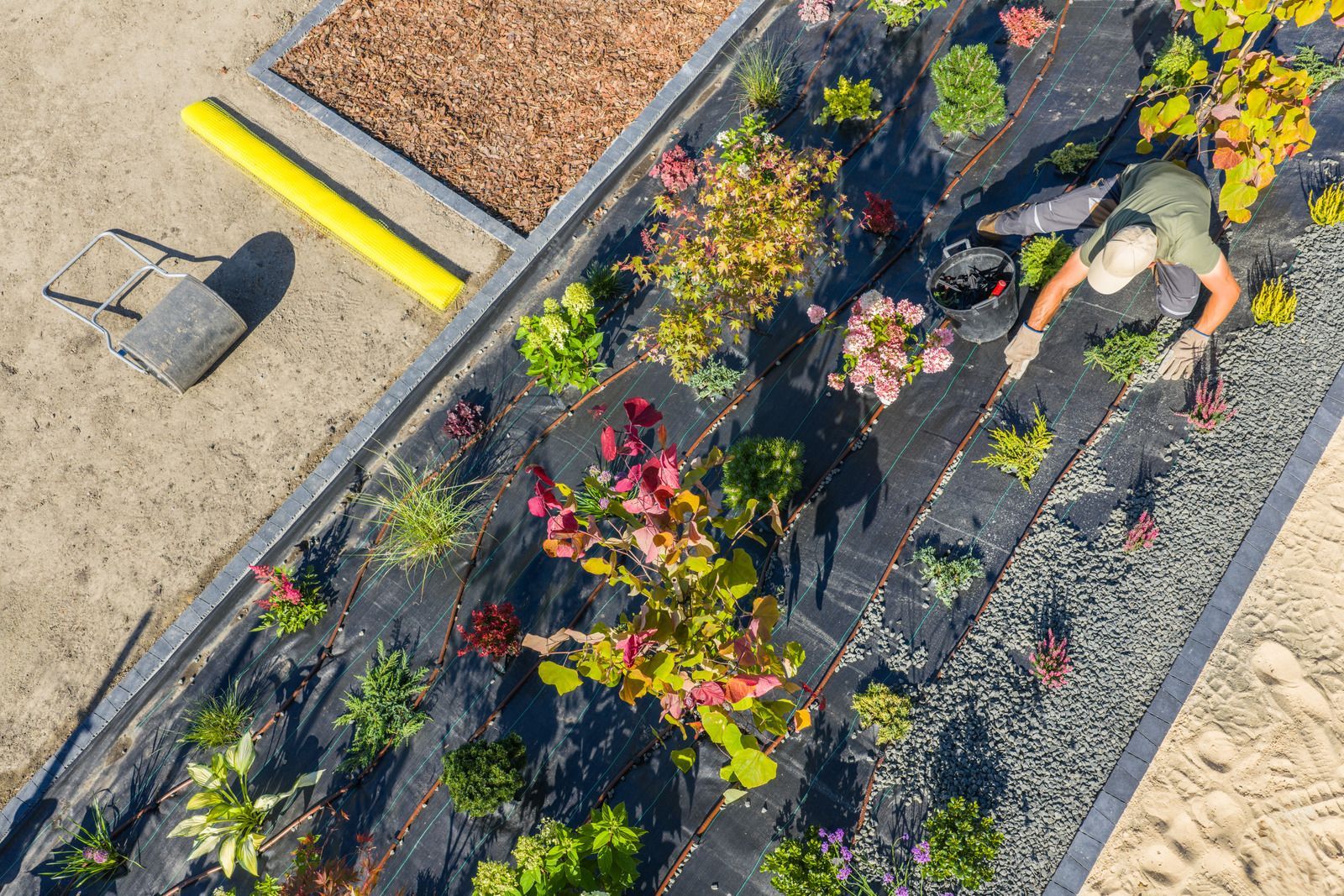
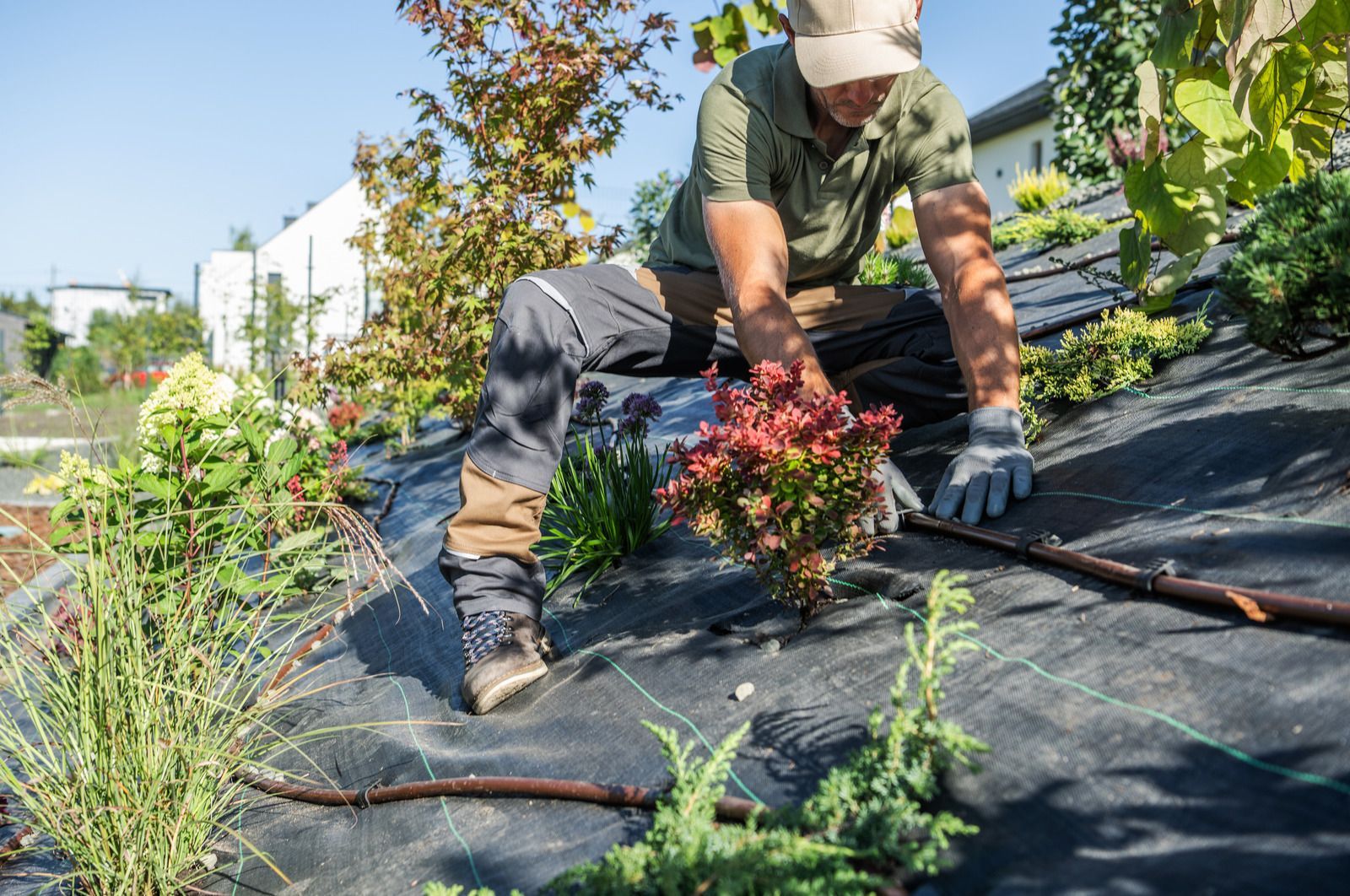
Drip lines are installed along garden beds, planting areas, and landscaped zones to deliver water precisely where it is needed. Tubing and emitters are positioned to provide consistent moisture to plant roots while preventing water waste across surrounding soil surfaces.
Irrigation Emitter Placement
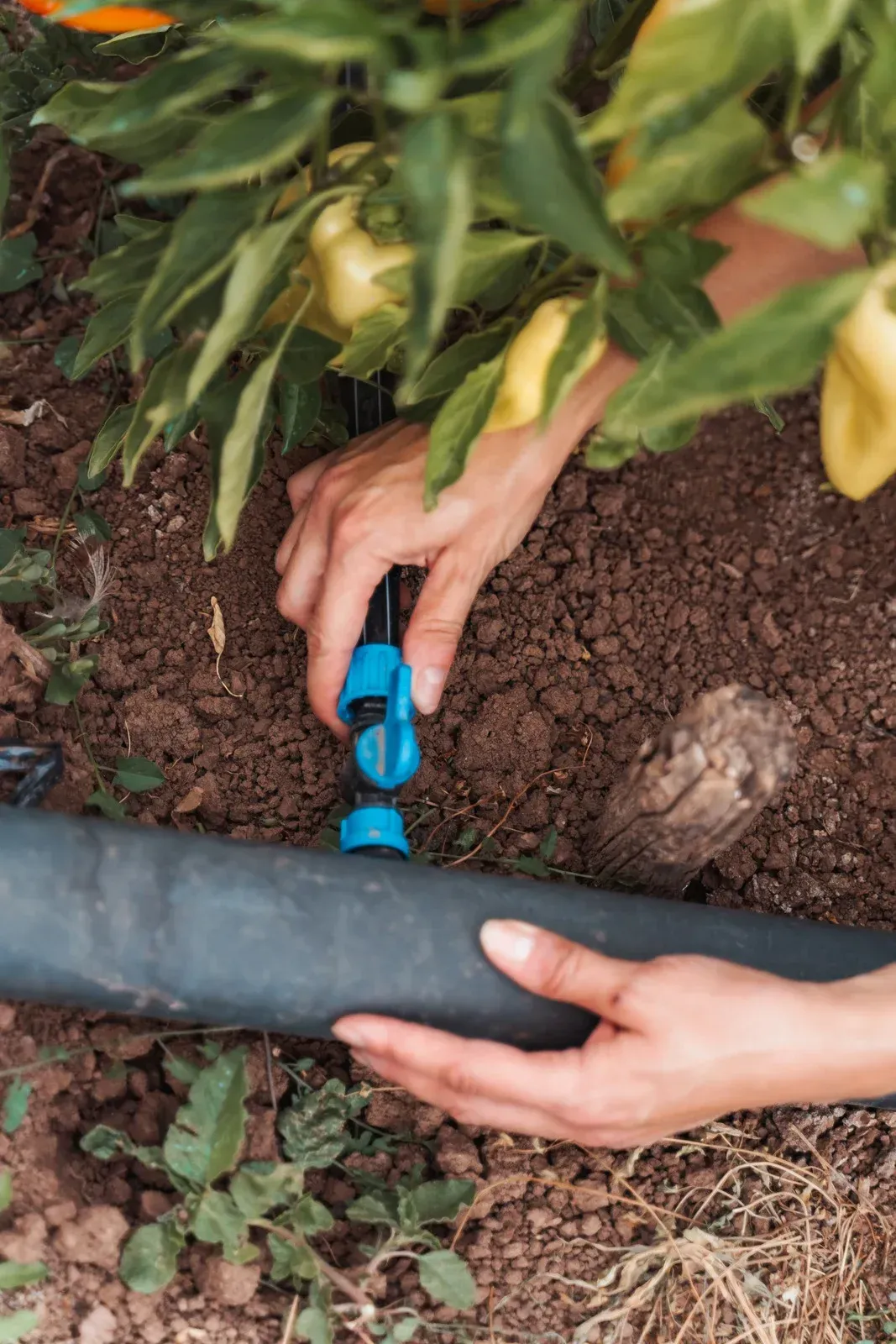
Emitters regulate the flow of water through drip irrigation systems. Proper placement ensures each plant receives adequate moisture without oversaturation. Adjusting emitter spacing and flow rates helps create balanced irrigation patterns across both small and large planting areas.
Irrigation System Expansion
Existing irrigation systems may be expanded to support additional planting areas or garden beds. Expansion services integrate new drip lines with current irrigation infrastructure. This allows landscapes to grow and evolve while maintaining efficient water management.
Drip System Maintenance and Adjustment
Routine maintenance ensures drip irrigation systems continue operating efficiently across changing conditions. Services include inspecting tubing, adjusting emitters, and monitoring water flow levels. Regular system checks maintain consistent performance, while ongoing adjustments align irrigation with permaculture conditions, seasonal changes, and evolving landscape water requirements for optimal plant health.
Water Control and Scheduling Systems
Drip irrigation systems often include timers and control valves that automate watering schedules. These controls regulate when and how much water is delivered. Automated scheduling ensures plants receive reliable moisture while reducing the need for constant manual watering.
Benefits of Drip Irrigation Installation
Efficient Water Distribution
Drip irrigation delivers water directly to plant root zones through controlled tubing and emitters, reducing runoff and evaporation. This targeted method improves water efficiency while maintaining consistent soil moisture levels. It supports healthy plant growth, minimizes waste, and reinforces sustainable water cycles essential to permaculture-based landscape systems and resilience.
Healthier Root Development
Consistent soil moisture encourages deeper and stronger root growth in plants. Drip irrigation supports this development by maintaining balanced water levels within the soil. Stronger root systems allow plants to absorb nutrients more effectively and adapt better to seasonal temperature and moisture changes.
Reduced Water Waste
Traditional watering methods often result in excess water being lost through evaporation or surface runoff. Drip irrigation systems help conserve water by delivering it only where plants require it. This controlled method allows landscapes to remain healthy while reducing overall water consumption.
Improved Soil Stability
Gentle water delivery prevents soil erosion that may occur when large volumes of water are applied quickly. Drip irrigation allows water to soak gradually into the soil, preserving soil structure and preventing displacement of mulch or organic material around plants.
Reduced Weed Growth
Targeted watering helps limit moisture exposure to surrounding soil areas where weeds typically develop. Because drip irrigation delivers water directly to plant roots, less water reaches open soil surfaces. This reduces opportunities for unwanted plants to establish themselves within garden beds.
Easier Landscape Maintenance
Automated drip irrigation systems simplify ongoing landscape care by reducing the need for manual watering. Consistent irrigation schedules help maintain healthy plants without daily attention. This allows property owners to focus on other aspects of landscape maintenance while ensuring plants receive reliable moisture.
Smart Irrigation Systems Supporting Consistent Plant Hydration And Growth
Drip irrigation installation provides an effective solution by delivering water directly to plant roots with precision and efficiency. At PNW Permaculture, we focus on irrigation systems that strengthen permaculture landscapes while promoting responsible water use. Carefully designed drip systems help maintain balanced soil moisture, allowing plants to grow stronger and more resilient over time. Landscapes throughout Tacoma, Washington State benefit from irrigation methods that support both sustainability and long-term plant health. By reducing water waste and improving distribution, drip irrigation systems create outdoor environments that remain productive even during seasonal dry periods. Consistent watering helps gardens, native plantings, and edible landscapes thrive while minimizing environmental impact. These systems function as part of a regenerative permaculture approach, ensuring long-term ecological balance, efficiency, and resilience.
Frequently Asked Questions
What is drip irrigation and how does it work?
Drip irrigation is a watering system that delivers water slowly and directly to plant roots through tubing and emitters. Instead of spraying water across large areas, the system releases small amounts gradually. This targeted delivery helps plants absorb water efficiently while reducing evaporation and runoff.
Why is drip irrigation beneficial for permaculture landscapes?
Permaculture landscapes focus on sustainability and resource efficiency. Drip irrigation supports these goals by delivering water precisely where plants need it while minimizing waste. Consistent moisture levels help maintain healthy soil ecosystems, allowing plants, microorganisms, and beneficial organisms to thrive together.
Can drip irrigation reduce water consumption?
Yes, drip irrigation systems are designed to conserve water by minimizing evaporation and runoff. Because water is delivered directly to plant roots, landscapes require less overall watering. This makes drip irrigation a practical option for maintaining plant health while using water responsibly.
Is drip irrigation suitable for gardens and edible landscapes?
Drip irrigation works well for vegetable gardens, fruit trees, herb beds, and other edible landscapes. Controlled watering helps maintain consistent soil moisture levels necessary for productive plant growth. Targeted irrigation also reduces moisture on plant leaves, which may help reduce certain plant diseases.
How long does a drip irrigation system last?
The lifespan of a drip irrigation system depends on installation quality, system maintenance, and environmental conditions. Tubing and emitters designed for outdoor use can last many years when properly maintained. Periodic inspections help ensure the system continues operating efficiently.
Can drip irrigation be added to existing landscapes?
Yes, drip irrigation systems can often be installed in existing gardens and landscapes. Tubing can be positioned around current plants without disturbing established root systems. This flexibility allows landscapes to benefit from improved irrigation without requiring major redesign or reconstruction.
Does drip irrigation require regular maintenance?
Routine inspections help ensure drip irrigation systems function properly. PNW Permaculture in Tacoma, Washington State maintains systems by checking emitters, clearing potential clogs, and adjusting water flow levels. Proper maintenance helps irrigation systems deliver consistent moisture while preserving efficient water distribution across permaculture landscapes.
Is drip irrigation effective during dry summer months?
Drip irrigation is particularly effective during dry seasons because it maintains steady soil moisture levels without overwatering. PNW Permaculture in Tacoma, Washington State installs systems designed to support plant health throughout seasonal climate changes, helping landscapes remain productive during periods of reduced rainfall.
What our customers have to say...
Testimonials