Food Forest Installation in Tacoma, Washington State
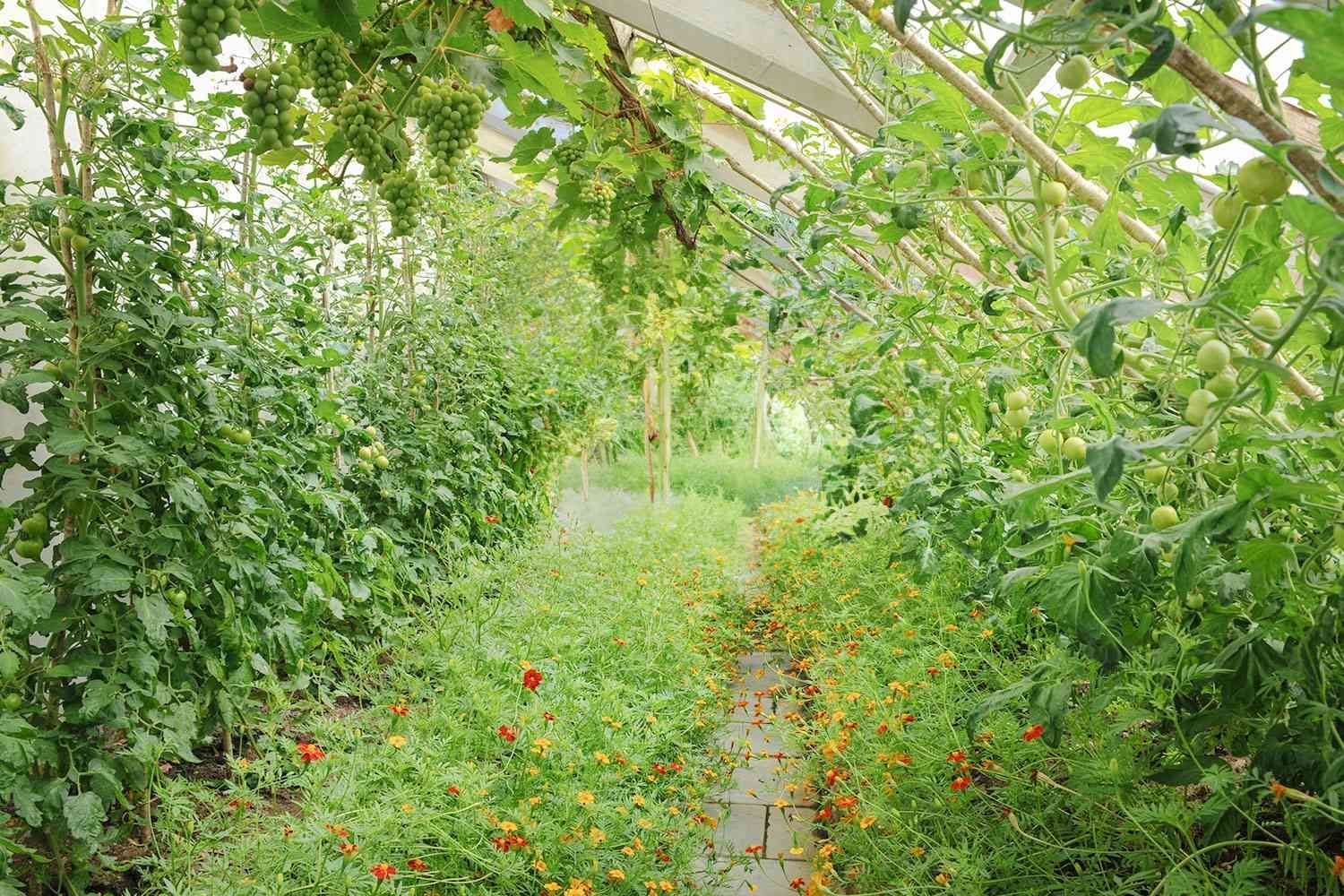
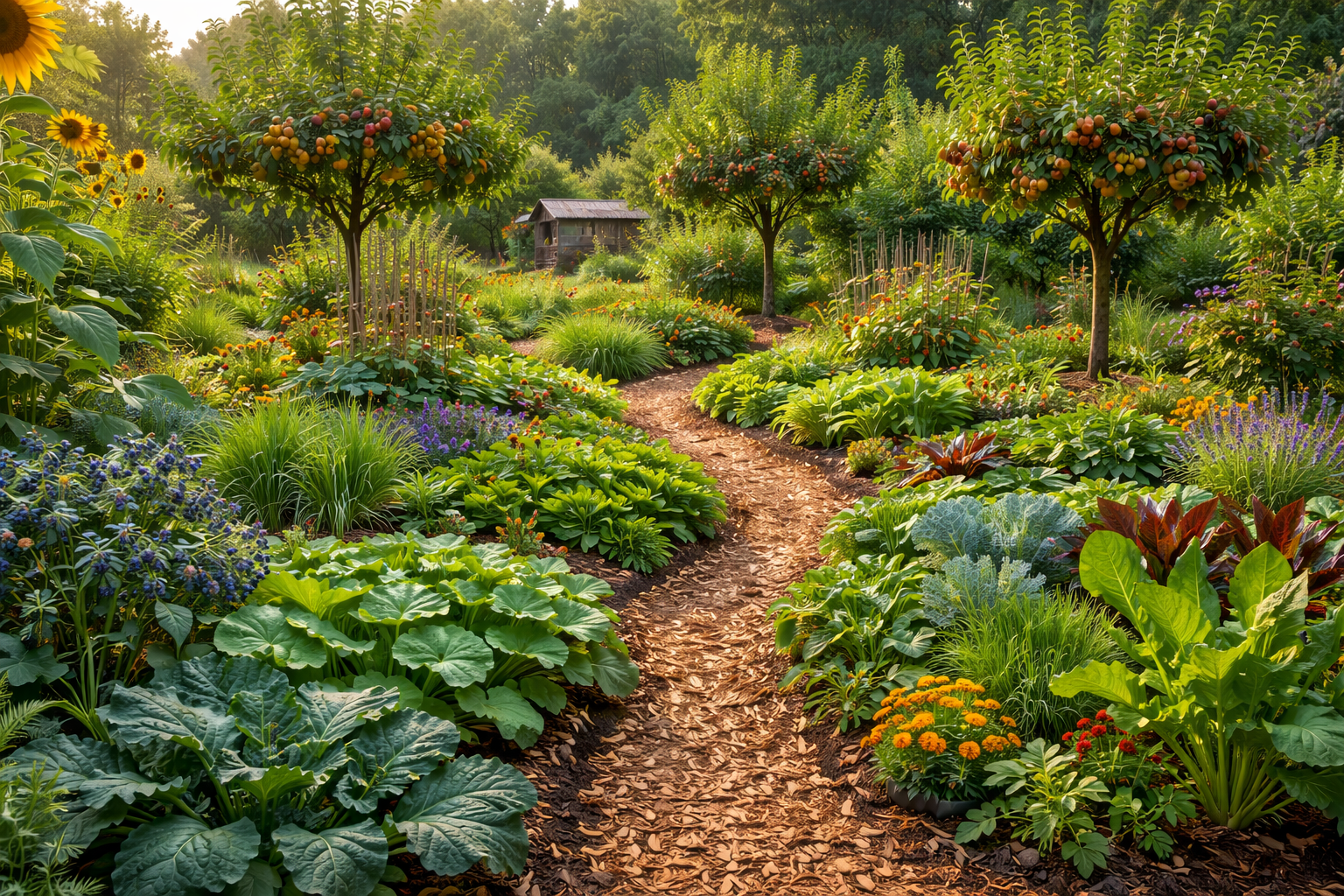
Designing Self Sustaining Food Forest Landscapes With Purpose
Food-producing landscapes are no longer niche—they are a practical response to rising interest in sustainability, self-sufficiency, and intelligent land use. At PNW Permaculture, food forest installation is approached as a structured system rather than simple planting. By integrating layered vegetation, soil regeneration, and water-conscious design, outdoor spaces become productive ecosystems that evolve over time. Each project is designed to balance natural growth patterns with usability, ensuring the landscape remains functional, resilient, and visually cohesive while supporting long-term environmental stability and efficient resource use.
We serve Tacoma, Washington State, as well as surrounding areas including Seattle, Sammamish, and across Pierce County. In this region, rainfall patterns, soil composition, and seasonal shifts create both opportunity and complexity. Food forests must be designed to handle moisture retention, drainage balance, and plant compatibility within the Pacific Northwest climate. Every installation reflects these local environmental factors, ensuring long-term viability and consistent performance across diverse property conditions and changing seasonal demands.
With over 5
years of hands-on experience, our work emphasizes clarity in design and precision in execution. Each layer—from canopy trees to ground cover—is selected with purpose, creating a system where every element supports another. The result is not just a planted space, but a living structure that produces food, supports biodiversity, and adapts naturally to its surroundings while maintaining order, balance, and long-term functional performance. Start building a productive, self-sustaining landscape—schedule your food forest consultation today.
Our Food Forest Installation Services
Site Evaluation and Ecological Planning
We assess soil composition, sunlight exposure, drainage patterns, and existing vegetation to create a foundation for successful installation. This evaluation ensures that every element is aligned with environmental conditions, allowing the system to function efficiently and sustainably from the beginning without unnecessary adjustments later.
Layered Plant System Design
We design structured planting systems that include canopy trees, understory plants, shrubs, herbs, and ground cover. Each layer is selected to complement the others, creating a balanced ecosystem where plants support one another, improving growth conditions while maximizing productivity and space efficiency.
Soil Preparation and Regeneration Techniques
We implement soil improvement strategies including compost integration, mulching, and natural amendments to enhance fertility and structure. These methods create a strong foundation for plant growth, ensuring long-term productivity while reducing the need for artificial fertilizers or ongoing soil correction measures.
Water Management and Irrigation Integration
We design systems that optimize water usage through natural retention methods and efficient irrigation solutions. By controlling water flow and absorption, the landscape maintains consistent hydration levels, supporting plant health while minimizing waste and adapting to varying seasonal conditions.
Plant Selection and Installation Process
We carefully select plant species based on climate compatibility, growth patterns, and ecosystem balance. Each plant is positioned strategically to ensure proper spacing, sunlight access, and interaction with surrounding elements, creating a cohesive system that develops naturally over time without overcrowding or imbalance.
Ongoing System Optimization and Guidance
We provide structured guidance to support long-term success, including maintenance strategies, seasonal adjustments, and growth monitoring. This ensures the system continues to perform efficiently, allowing the landscape to evolve while maintaining productivity, structure, and ecological balance over time.
Benefits of Food Forest Installation
Sustainable Food Production System
Food forests provide a continuous source of fruits, vegetables, herbs, and edible plants through carefully structured layering. By mimicking natural ecosystems, these systems reduce dependency on external inputs while increasing long-term productivity, allowing landscapes to generate consistent food output with minimal ongoing intervention or resource consumption.
Improved Soil Health and Fertility
Layered planting and organic matter integration naturally enrich soil quality over time. Roots, mulch, and microbial activity work together to improve nutrient cycling, structure, and moisture retention, creating a fertile base that supports plant growth while reducing the need for synthetic fertilizers or soil amendments.
Efficient Water Management and Retention
Food forests are designed to capture, retain, and utilize water efficiently. Strategic placement of plants, ground cover, and organic material reduces runoff and evaporation, ensuring consistent hydration. This system improves resilience during dry periods while preventing waterlogging in regions with heavy rainfall patterns.
Low Maintenance Long-Term Landscape Solution
Once established, food forests require significantly less maintenance compared to traditional landscaping. Natural plant interactions reduce weed growth, improve soil conditions, and support pest balance. This results in a system that becomes easier to manage over time while maintaining productivity and visual appeal.
Enhanced Biodiversity and Ecosystem Support
Food forests attract beneficial insects, birds, and microorganisms that contribute to ecosystem stability. This increased biodiversity supports pollination, pest control, and soil health, creating a balanced environment where plants thrive naturally without excessive human intervention or chemical inputs.
Long-Term Property Value and Usability
A well-designed food forest adds both functional and aesthetic value to a property. Beyond visual appeal, it creates a productive outdoor space that offers food, shade, and environmental benefits. This combination enhances usability while contributing to long-term property appreciation and sustainability.
Transform Your Outdoor Space Into A Productive Ecosystem
Outdoor spaces in Tacoma, Washington State, demand more than surface-level landscaping—they require systems that adapt, perform, and continue to deliver value over time. At PNW Permaculture, food forest installation is built on the idea that landscapes should work with nature, not against it. By combining structured design with ecological principles, each project becomes a living system that grows stronger with time. Our approach focuses on clarity, durability, and long-term usability. Every layer is intentional, every plant has a role, and every element contributes to a balanced environment. This results in a landscape that produces food, supports biodiversity, and remains manageable without excessive intervention. With over 5 years of experience, we continue to refine methods that deliver consistent, reliable outcomes.
Frequently Asked Questions
What is a food forest and how does it work?
A food forest is a layered planting system that mimics natural ecosystems. It includes trees, shrubs, herbs, and ground cover working together to support soil health, water retention, and productivity. This structure allows plants to interact naturally, creating a self-sustaining environment that produces food with reduced maintenance and long-term ecological balance.
How long does it take for a food forest to mature?
Food forests begin producing within the first year, but full maturity typically takes three to five years. Growth depends on plant selection, soil conditions, and climate. Over time, the system becomes more stable, productive, and self-sustaining as plant layers develop and ecological relationships strengthen naturally.
Can food forests be installed in small residential spaces?
Yes, food forests can be adapted to smaller spaces by adjusting plant selection and layout. Compact systems use dwarf trees, shrubs, and vertical layering to maximize productivity. Even limited areas can support a functional ecosystem when designed efficiently, ensuring balanced growth without overcrowding or reduced performance.
What kind of maintenance is required after installation?
Initial maintenance includes watering, mulching, and monitoring plant growth. Over time, maintenance decreases as the system stabilizes. Occasional pruning, seasonal adjustments, and soil care help maintain productivity, but the overall workload is significantly lower compared to traditional landscaping methods.
Does PNW Permaculture in Tacoma, Washington State design custom systems?
Yes, PNW Permaculture in Tacoma, Washington State creates tailored food forest systems based on property size, soil conditions, and environmental factors. Each design is customized to ensure long-term performance, productivity, and compatibility with the Pacific Northwest climate, resulting in a landscape that evolves naturally while maintaining structure and usability.
Are food forests suitable for the Pacific Northwest climate?
Yes, the Pacific Northwest climate is ideal for food forests due to consistent rainfall and moderate temperatures. Proper plant selection and design ensure the system thrives, managing moisture levels effectively while supporting diverse plant species that contribute to productivity and ecological balance.
How does a food forest improve soil quality over time?
Food forests improve soil through organic matter, root systems, and microbial activity. Leaves, mulch, and decomposing material enrich the soil naturally, increasing fertility and structure. This ongoing process reduces dependency on external inputs while creating a healthier environment for plant growth and long-term sustainability.
Why choose PNW Permaculture in Tacoma, Washington State for installation?
Choosing PNW Permaculture in Tacoma, Washington State means working with a team focused on structured design, ecological balance, and long-term performance. With over five years of experience, we deliver systems that align with regional conditions, ensuring landscapes remain productive, resilient, and functional without unnecessary complexity or constant maintenance.
What our customers have to say...
Testimonials