
Fence Staining in Tacoma, Washington State
Protective Fence Staining Services Enhancing Wood Durability And Appearance
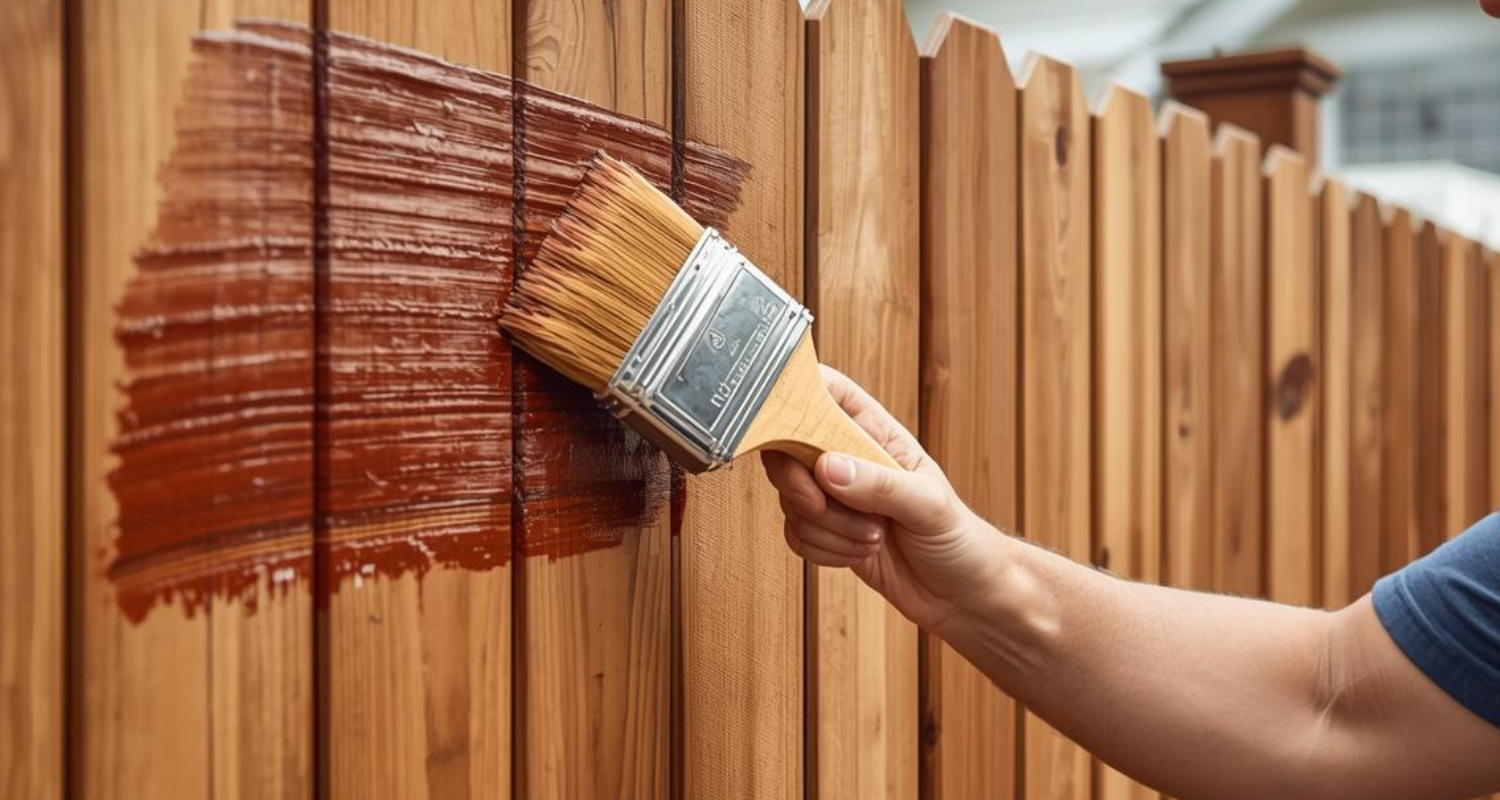
Wood fencing plays an important role in shaping the appearance and structure of outdoor spaces. Over time, exposure to rain, sunlight, temperature shifts, and natural moisture can gradually affect the strength and color of wood surfaces. Fence staining provides a reliable way to protect wooden fences while highlighting the natural grain patterns that make wood fencing visually appealing. At PNW Permaculture, we focus on applying high-quality staining techniques that help wood fencing remain durable, visually balanced, and protected against environmental wear. Proper staining not only enriches the color of wood but also strengthens its resistance to moisture penetration, surface cracking, and fading caused by ultraviolet exposure.
We serve Tacoma, Washington State, as well as the surrounding areas including University Place, Lakewood, Gig Harbor, and Federal Way. Homes throughout Pierce County often experience consistent rainfall and coastal air conditions common to the Pacific Northwest. These environmental factors can influence the long-term performance of wood fencing structures. Fence staining plays an important role in maintaining fences throughout Tacoma neighborhoods by creating a protective layer that shields wood from moisture absorption and weather exposure.
With more than 5 years of hands-on fencing experience, our approach to fence staining emphasizes surface preparation, careful stain selection, and precise application methods. Proper staining protects wood fibers while enhancing the natural texture and color of each board. Through consistent craftsmanship and attention to detail, stained fencing contributes to well-maintained outdoor environments, supporting privacy, structure, and long-term durability while complementing the natural surroundings of Pacific Northwest residential properties.
Our Fence Staining Services for Wood Fencing
Fence Surface Preparation
Surface preparation is an essential step before applying stain to wood fencing. Cleaning removes dirt, mildew, and old coatings that may interfere with stain penetration. Careful preparation ensures the wood surface absorbs stain evenly, helping the protective finish bond effectively while improving durability and appearance.
New Fence Staining
Newly installed wood fencing benefits from early staining to protect the material before environmental exposure begins to affect the surface. Applying stain soon after installation seals the wood fibers, helping maintain the fence’s natural color and structural integrity while improving long-term resistance to weather conditions.
Fence Re-Staining and Renewal
Over time, older stains can fade or wear away due to environmental exposure. Re-staining restores the protective barrier that shields wood from moisture and sunlight. Renewal staining improves the fence’s appearance while strengthening its resistance to outdoor conditions, extending the lifespan of existing wood fencing structures.
Transparent and Semi-Transparent Stain Application
Different stain finishes offer varying levels of color enhancement and wood visibility. Transparent stains highlight the natural wood grain while adding subtle protection, while semi-transparent stains provide deeper color tones. Proper stain selection allows fencing to maintain both visual appeal and functional protection.
Fence Cleaning Before Staining
Cleaning the fence prior to staining helps remove contaminants such as mildew, debris, and environmental residue. A clean surface allows stain to penetrate the wood evenly and adhere properly. This preparation step improves stain performance while ensuring consistent coloration across the entire fencing structure.
Protective Sealant Finishing
Applying a protective sealant after staining can further strengthen the wood surface against moisture exposure and environmental wear. Sealants reinforce the stain layer, improving resistance to rain, sunlight, and seasonal changes. This additional protection helps wood fencing maintain durability and visual consistency over extended periods.
Benefits of Fence Staining for Wood Fencing
Enhanced Weather Protection
Fence staining forms a protective barrier that shields wood from moisture, rain, and environmental exposure. By sealing the surface, stains help prevent water absorption that can lead to swelling, cracking, or warping. This protection extends the life of wooden fencing while maintaining consistent structural integrity outdoors.
Improved Wood Longevity
Applying stain regularly helps preserve the natural strength of wood fibers. Protective finishes slow down the deterioration process caused by sunlight, moisture, and temperature fluctuations. Properly stained fences maintain their durability longer, reducing the need for premature repairs or full fence replacement over time.
Natural Grain Enhancement
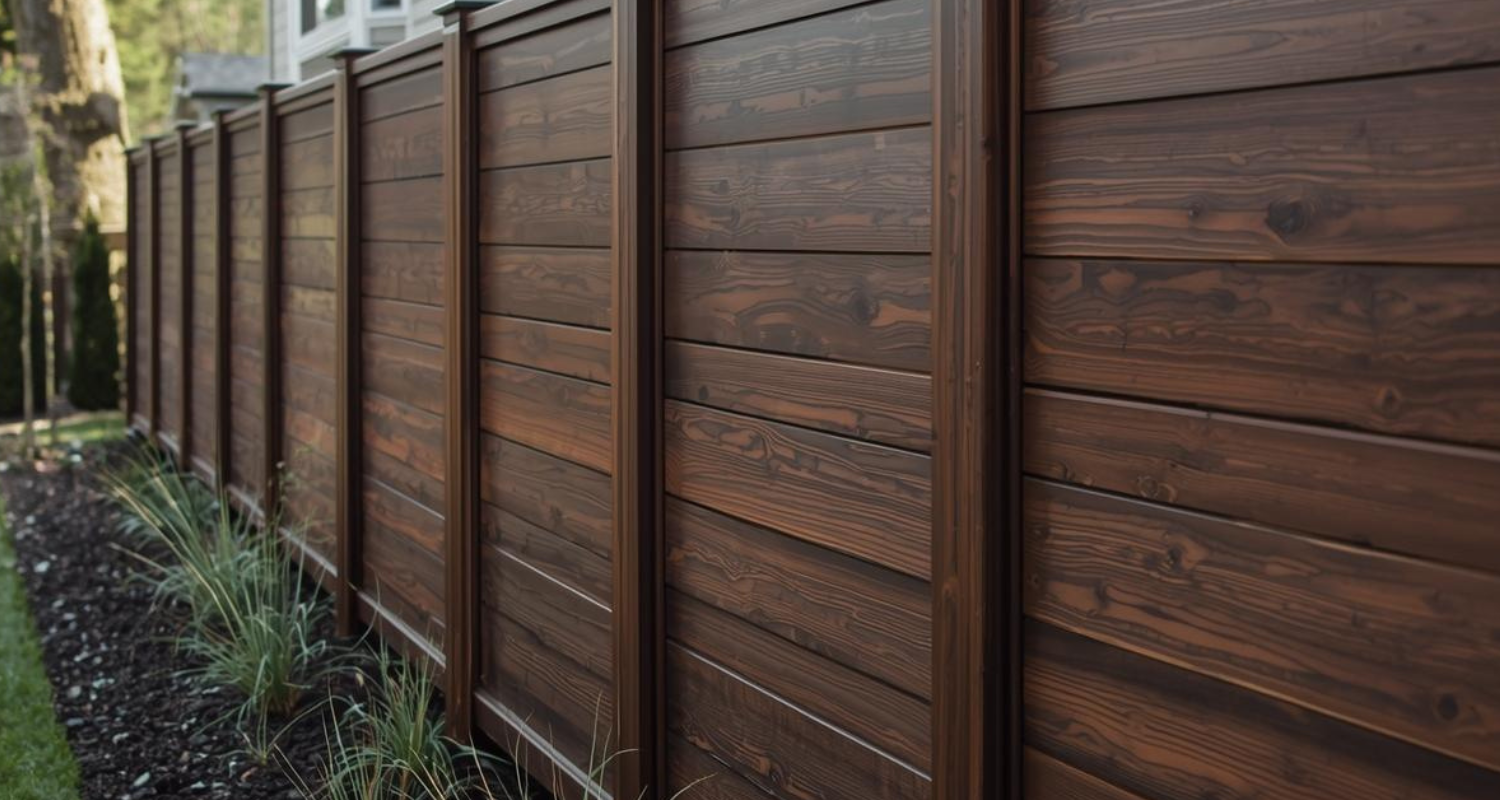
Fence staining highlights the natural grain patterns and texture of wood boards. Instead of covering the wood surface like paint, stain penetrates the material while allowing its natural characteristics to remain visible. This approach creates an attractive finish that blends naturally with outdoor landscapes and surrounding greenery.
UV Resistance
Sunlight can gradually fade untreated wood fencing, causing discoloration and surface dryness. Fence stains contain pigments and protective components that help reduce the damaging effects of ultraviolet rays. This protection helps maintain consistent wood color and prevents surfaces from becoming brittle under prolonged sunlight exposure.
Reduced Maintenance Requirements
Stained fencing is easier to maintain because the protective coating limits moisture absorption and surface deterioration. Routine inspections and occasional re-staining keep the fence looking clean and protected. Proper stain application reduces the frequency of repairs while supporting long-term structural performance of wooden fencing.
Consistent Outdoor Appearance
Fence staining helps maintain a uniform and well-maintained appearance across the entire fencing structure. The stain evenly colors the wood surface while protecting it from weather exposure. A consistent finish helps outdoor spaces appear organized, clean, and visually balanced while enhancing overall property presentation.
Long Lasting Fence Protection That Preserves Natural Wood Beauty
Outdoor wood fencing adds structure, privacy, and character to residential landscapes, yet maintaining its durability requires consistent care and protection. Fence staining plays a vital role in preserving wood by strengthening resistance against moisture, sunlight, and environmental exposure. In Tacoma, Washington State, weather patterns influenced by coastal conditions make protective wood treatments especially valuable for maintaining fence performance. At PNW Permaculture, we approach fence staining with attention to preparation, stain selection, and careful application techniques that help wood surfaces remain strong and visually appealing. When properly stained, fencing continues to complement outdoor environments while supporting reliable property boundaries. Long-lasting stain protection helps prevent deterioration, enhances natural wood color, and supports consistent fence performance throughout changing seasons.
Frequently Asked Questions
Why is fence staining important for wood fencing?
Fence staining protects wood from moisture, sunlight, and environmental exposure that gradually weaken untreated surfaces. Without protection, wood can absorb water and begin cracking, warping, or decaying. Staining seals the surface while enhancing natural grain patterns, helping maintain durability, appearance, and long-term performance of wood fencing.
How often should a wood fence be stained?
Most wood fences should be stained every two to three years depending on climate conditions and exposure to sunlight or rainfall. Regular inspection helps determine when fading begins. Re-staining before protection wears away helps maintain the wood’s appearance while preserving the structural integrity of fencing materials.
Can staining be applied to older fences?
Yes, staining can be applied to older fences after proper preparation and cleaning. Removing dirt, mildew, and old coatings allows the stain to penetrate the wood fibers effectively. This process restores color, strengthens protection, and improves durability while extending the lifespan of existing wooden fencing.
What types of stains are used for wood fences?
Wood fence staining typically uses transparent, semi-transparent, or solid stains depending on the desired appearance and protection level. Transparent stains highlight natural wood grain, semi-transparent stains deepen color tones, and solid stains offer stronger coverage while still protecting fencing surfaces from environmental exposure and weather damage.
How long does fence staining take?
Fence staining timelines vary depending on fence size, preparation requirements, and weather conditions. Smaller residential fences may be completed within a day, while larger projects require additional time for cleaning, drying, and staining. Proper drying ensures the stain bonds effectively with wood surfaces for reliable protection.
Can fence staining help prevent wood decay?
Yes, staining helps prevent wood decay by reducing moisture absorption and sealing the wood surface. Moisture is one of the primary causes of wood deterioration and rot. A protective stain barrier slows this process, helping maintain the fence’s structural strength and extending the usable life.
Who provides professional fence staining in Tacoma, Washington State?
PNW Permaculture provides professional wood fence staining services in Tacoma, Washington State, helping homeowners maintain strong and visually appealing fencing. Careful surface preparation and proper stain application protect wood surfaces from the Pacific Northwest climate while preserving natural wood color and improving durability over time.
What makes professional fence staining different from DIY staining?
Professional fence staining involves detailed surface preparation, appropriate stain selection, and consistent application techniques. Experienced work ensures even coverage and long-lasting protection. At PNW Permaculture in Tacoma, Washington State, staining projects focus on protecting wood fencing while maintaining a clean, uniform finish.
What our customers have to say...
Testimonials